
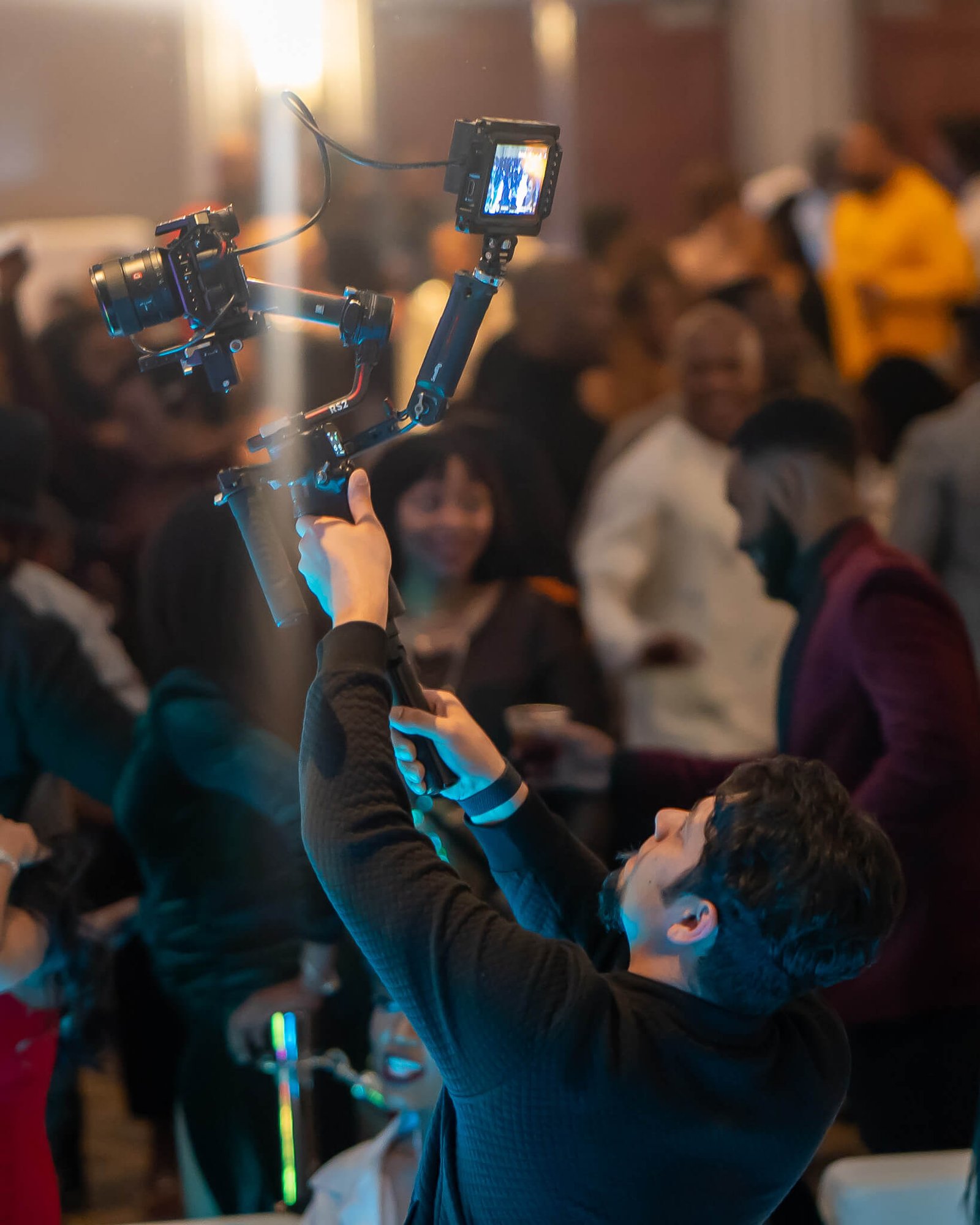
Live Streaming vs. Event Highlight Reel: Which Should You Invest In?

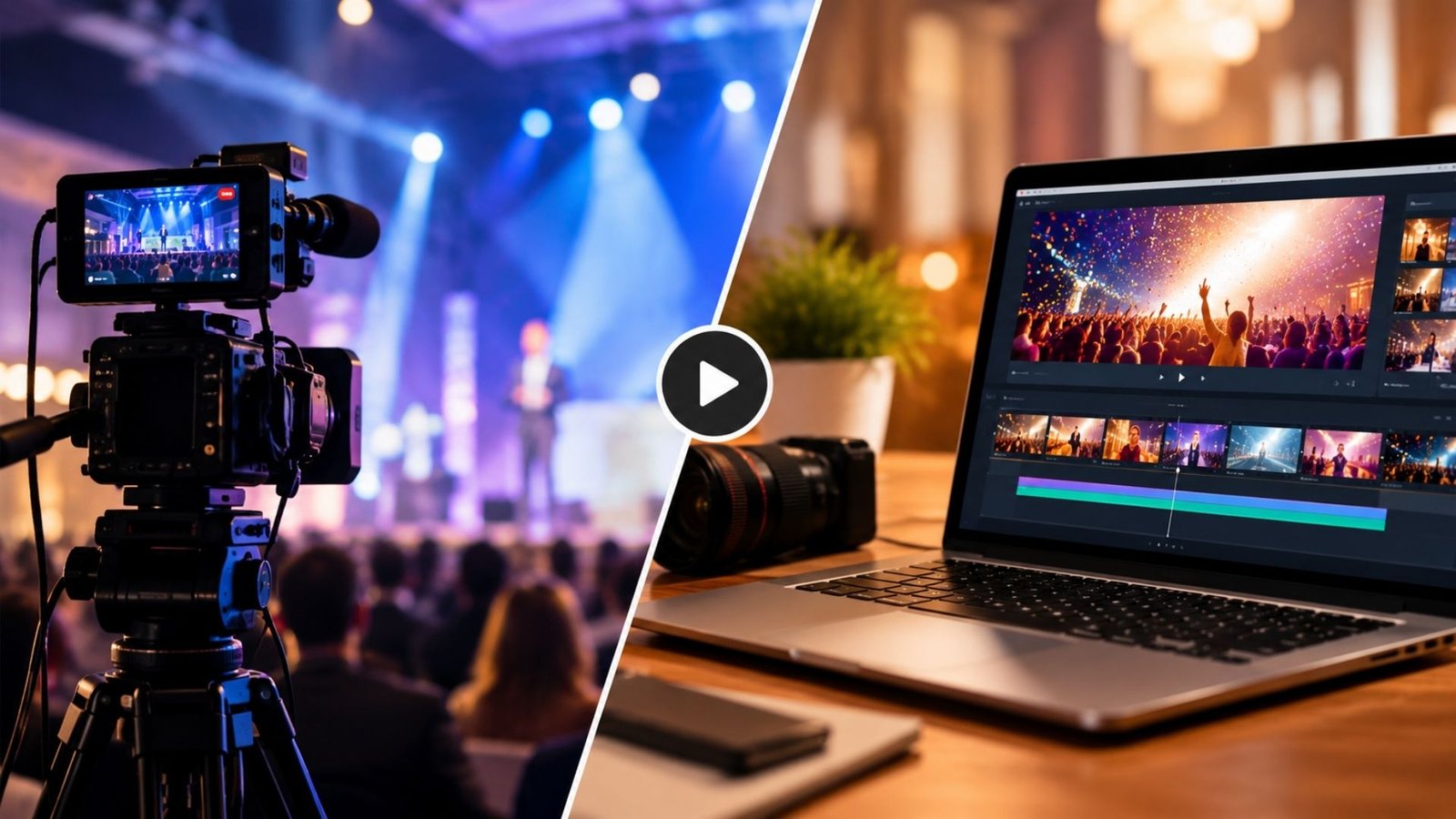
Every organization planning an event eventually faces the question of live streaming vs. event highlight reel production. You have got a conference, a summit, a gala, or a product launch that matters. Someone in the planning meeting asks whether you should live stream the event, produce a highlight reel, or both. The conversation often stalls because nobody is quite sure which option is right, and the production company has not yet been brought in to weigh in.
This is actually a strategic decision, not just a production one. The right choice depends on what you need the content to achieve, not on what sounds impressive or what another organization did at its last event. The short answer: if most of your audience will be in the room, invest in an event highlight reel. If people need to participate remotely or the announcement is time-sensitive, live streaming may be the better choice. If both goals matter, plan live streaming and highlight reel production together from the start.
They Solve Different Problems
This is the starting point that most comparisons skip past. Live streaming is a distribution tool. It solves an access problem: people who cannot be physically present can participate in real time. The value is immediacy. It is happening now, it is unedited, and for the right audience in the right context, that urgency is exactly the point.
An event highlight reel is a marketing asset. It solves a story problem, turning a single day into content that keeps working for your organization after the room clears out. The value is durability. A well-produced two- to three-minute recap lives on your website, circulates on LinkedIn, can help drive registrations for next year’s event, and gives stakeholders who were not there a compelling reason to care. Neither one is inherently better. They just operate on completely different timelines and serve completely different audiences. A live stream speaks to people right now. A highlight reel speaks to everyone who comes after.
When Live Streaming Makes Sense
Live streaming earns its investment when real-time participation is genuinely meaningful to your audience. For national associations headquartered in Arlington or Alexandria with members spread across the country, a live stream of a keynote or panel discussion gives people who cannot travel a legitimate reason to stay connected to your organization. For government-adjacent organizations running policy forums or public briefings in Washington, D.C., accessibility and transparency are part of the point, and live streaming is often expected. It also works well for product launches where the announcement itself is the moment. When what you are unveiling needs to land simultaneously across your entire audience, the live format creates a shared experience that a polished video released two weeks later simply cannot replicate.
But live streaming has a real risk that most organizations underestimate until it happens to them: technical failure in public. Internet connectivity issues, audio dropouts, and camera feed problems all happen, and when they happen live in front of an audience that paid attention to your pre-event promotion, the brand damage is real. This is not a reason to avoid live streaming. It is a reason to take the technical setup seriously and never assume a venue’s in-house wifi is sufficient for a professional broadcast. Dedicated hardwired connections, tested backup systems, and a production team that has streamed from that venue or similar ones before are not nice-to-haves. YouTube’s own streaming tips tell broadcasters to test the setup thoroughly before the event and to set up a backup encoder.
When a Highlight Reel Delivers More Value
For most B2B organizations in the DMV, an event highlight reel often produces a better return on the production investment than live streaming, and it does it for longer. Here is why. A live stream is mostly watched in the moment by people who already knew about your event and chose to tune in, and even if you post the recording afterward, it is a full-length, unedited session. The audience ceiling is usually your existing network. A highlight reel, released after the event with a proper distribution plan, can reach people who did not know about the event, including potential members, future sponsors, prospective clients, and media contacts who come across it weeks or months later.
It also gives you control over the story. Live streaming captures whatever happens, in the order it happens, with no ability to edit out the awkward transitions or the technical hiccup between sessions. A highlight reel is edited with intention. It builds a narrative, surfaces the best moments, and packages your event in a way that reflects the level of your organization rather than the reality of a long day in a conference room. For nonprofits across Northern Virginia using events to build donor relationships and demonstrate impact, the highlight reel is often one of the most useful pieces of content they produce that year. For corporate teams in Fairfax or McLean using events to build client relationships or showcase thought leadership, a polished two-minute recap shared on LinkedIn the week after can extend the event’s credibility well beyond the people who attended.
How to Decide Based on Your Situation
Your audience cannot physically attend
Live streaming is worth the investment. Real-time access is the whole point, and the production cost is justified by the participation it enables.
Your audience is mostly in the room
A highlight reel delivers more lasting value. The people attending are already there. The content you produce afterward is for everyone who was not.
Your budget is limited, and you have to choose one
If remote attendance is not the whole point of the event, choose the highlight reel. It works longer, can reach more people, and produces assets you can use across multiple platforms and campaigns. A live stream that three hundred people watch once and forget is a harder return to justify than a polished two-minute recap that can keep supporting traffic and registrations long after the event.
Your event has a significant announcement or time-sensitive content
Live streaming earns its place here. If the moment itself matters, such as a keynote reveal, a public commitment, or an announcement that needs to land, the live format serves a purpose that recorded content cannot replicate.
You have the budget to do both
Plan them together from the start, not as separate afterthoughts. A production team that is already on-site streaming the event can capture the footage needed for a highlight reel at the same time, often at a lower added cost than a separate shoot. The deliverables serve different audiences on different timelines, and together they extract the full content value from a single day of production.
The Combination Play Most Organizations Miss
If an event needs both formats, the best approach is to plan for both from the moment you brief the production company, not as a budget upgrade decided the week before the event.
When the highlight reel is planned from the start, the production team captures footage with editing in mind: specific B-roll shots, audience reaction moments, speaker close-ups that will not be covered by a static streaming camera. When the live stream is planned alongside it, the technical setup accounts for both the real-time broadcast and the clean recorded feed that goes into post-production. Planned together, both deliverables can cost less than commissioning them separately. Bolted on at the last minute, both suffer.
Choosing Between a Live Stream and a Highlight Reel
Live streaming and event highlight reels are not competing options. They solve different problems, serve different audiences, and operate on different timelines. If your event has a remote audience that needs real-time access, live stream it. If you need content that keeps working for your organization long after the event, invest in a highlight reel. If your budget and event scale support both, plan them together from the start, not as an afterthought.
For B2B organizations across Northern Virginia and Washington, D.C., a commonly missed opportunity in event production is the content that gets left on the table because the highlight reel was never properly planned for. One well-covered event, treated as a content asset from the beginning, can produce months of marketing material that a live stream alone rarely delivers. Echo Prime produces event highlight reels and hybrid live streaming coverage for B2B organizations across Northern Virginia and the DMV. Get in touch before your next event.
Frequently Asked Questions
What is the difference between live streaming and an event highlight reel?
Live streaming broadcasts your event in real time for remote audiences; an event highlight reel is a professionally edited recap produced after the event as a lasting marketing and promotional asset.
Which is more expensive: live streaming or a highlight reel?
Neither is always more expensive. Live streaming typically has higher day-of technical costs because of equipment and connectivity requirements, while highlight reels require more post-production time. Combined packages from a single production team can be more cost-efficient than commissioning both separately.
Can you do both live streaming and a highlight reel for the same event?
Yes. Planning both from the start with the same production team produces better results and can lower the combined cost compared with adding one after the other is already underway.
How long should an event highlight reel be?
Two to three minutes works well for most B2B event highlight reels: long enough to convey the energy and substance of the event, short enough to hold attention on LinkedIn and your website.
Is live streaming worth it for small events?
Often not. For events with a predominantly in-room audience, live streaming is rarely the best use of budget; a highlight reel delivers more lasting value. Live streaming earns its investment when remote participation is a genuine priority.
When should I release my event highlight reel?
Release it within a few days to a week of the event, while attendees, speakers, and sponsors are still thinking about it. Interest in event content tends to fade as time passes, so build the editing time into your plan before the event rather than after.